
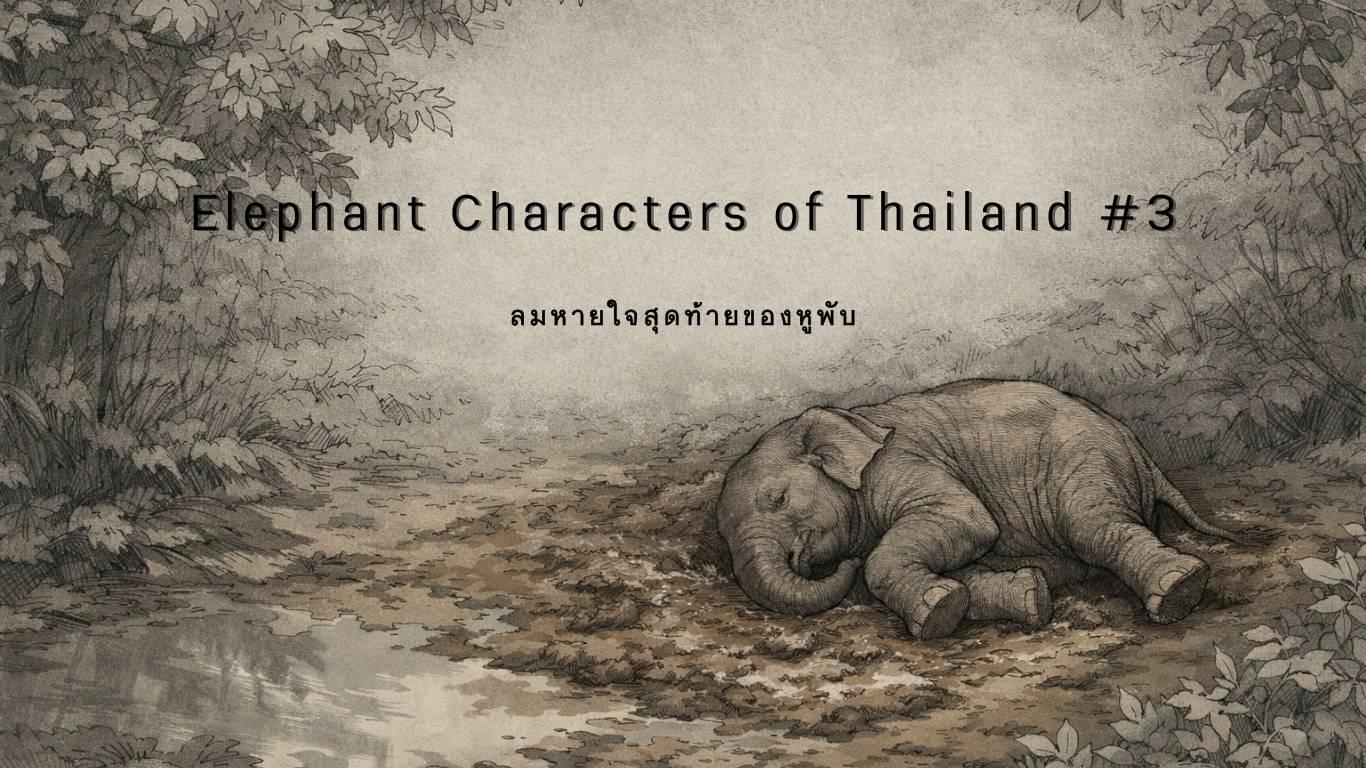
Elephant Characters of Thailand 3
Elephant Characters of Thailand 3 :The Last Breath of Hu Phap
Around 2024, there was a clip that made many people smile.
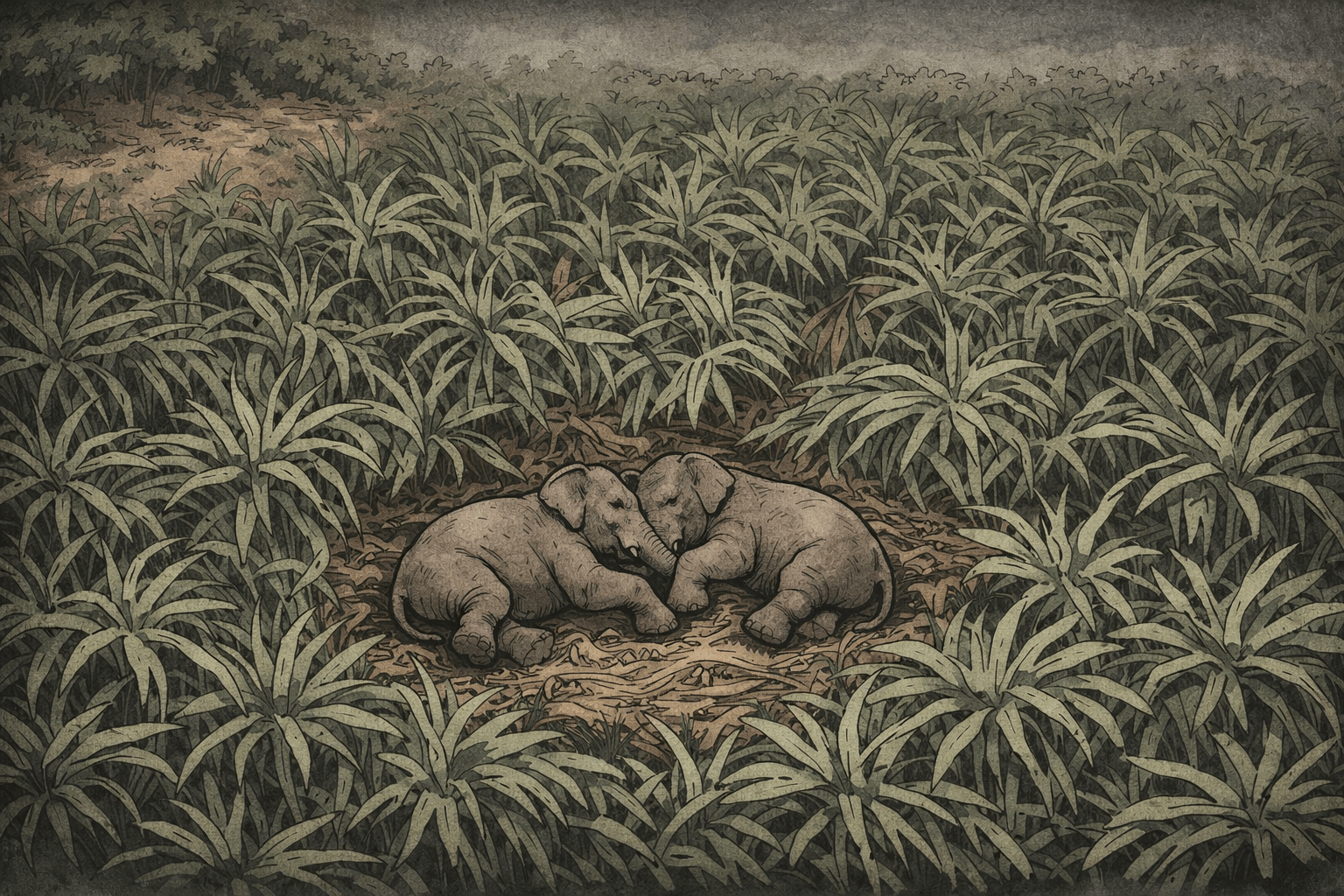
It showed two wild elephants sneaking into a sugarcane field, quietly feeding and trying to hide among the tall leaves while officers followed their tracks. One of them, still young, lay down in the middle of the field with a kind of innocent calm. It was a moment that felt gentle and endearing — something people watched with warmth, not knowing that one day it would become a painful memory.
Today, one of those two elephants is gone.
This is the last breath of Hu Phap.
Elephant Characters of Thailand 3
Hu Phap was a young male wild elephant, believed to be under ten years old. He originally lived in the Phu Luang Wildlife Sanctuary in Loei province, before gradually moving into agricultural areas around Phu Wiang district in Khon Kaen, where he was often seen.
His movement was not an act of defiance.
It reflected something larger — the slow shrinking of forest boundaries.
As human communities expand and farmland replaces wilderness, crops that are abundant and easy to eat inevitably attract wildlife searching for food.
That is why we now see elephants on roads, in sugarcane fields, in pineapple plantations. Hu Phap was not alone. Many others share similar paths and similar stories.
Land once covered by forest continues to transform into towns and cities.
The number of elephants may not have changed dramatically — but what has diminished is their home.
We call elephants a protected species.
Yet perhaps we should also ask ourselves whether we have protected the forests that sustain them.
This context forms part of the story behind Hu Phap’s passing.
The News of His Passing
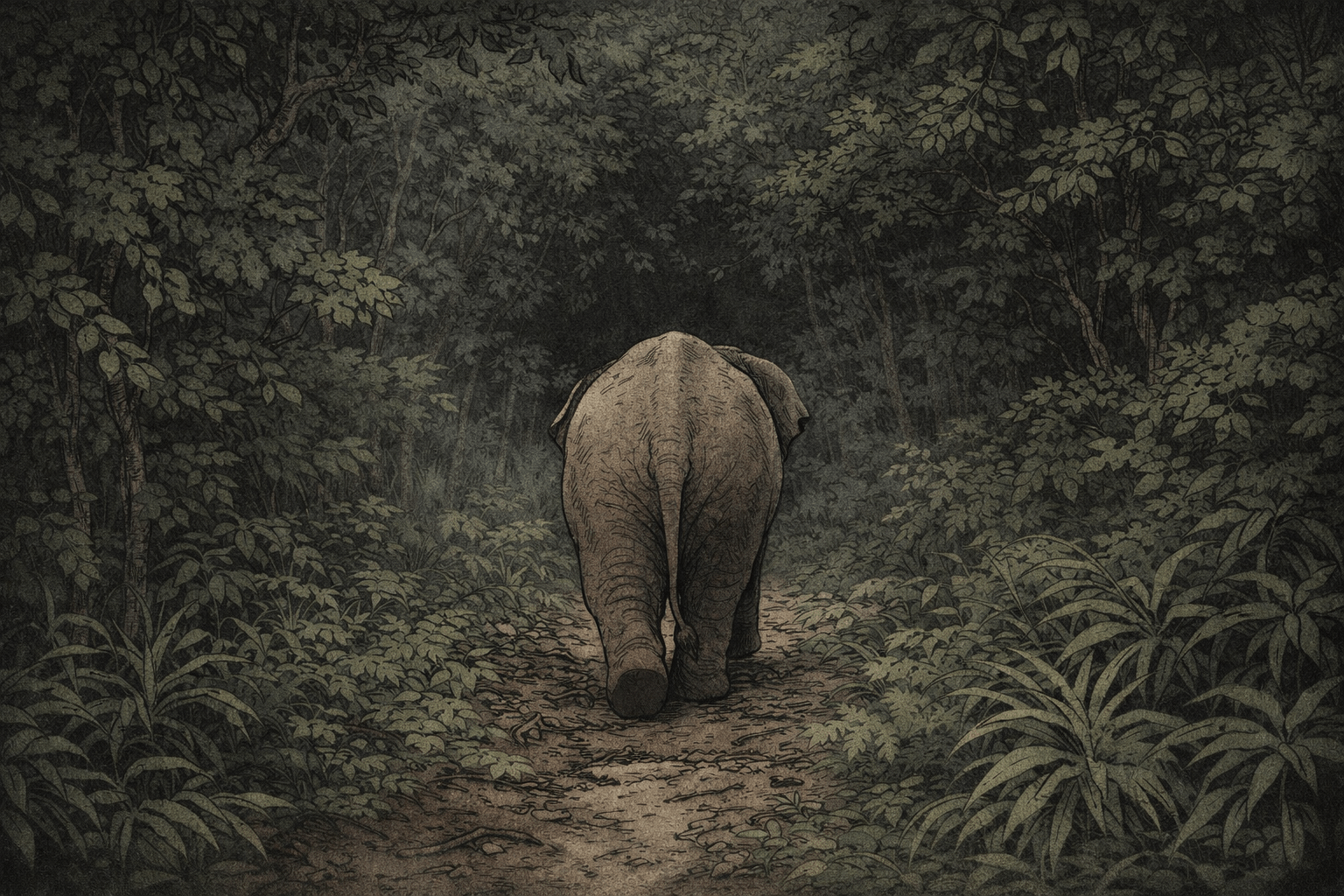
Uncle Krieng shared on Facebook that Hu Phap passed away around 1:30 a.m. The news confirmed his loss — not simply a temporary collapse during relocation, but a final farewell.
When I saw the update that morning, I felt a quiet heaviness in my chest. The transition from the word “collapsed” to “gone” was difficult to process — something many who care about elephants likely understand.
We may never fully know what went wrong during the relocation intended to return him to his habitat. Many people are still waiting for explanations, hoping lessons can be learned to prevent further loss.
Some seek reasons.
Some look for accountability.
For me, it is simply the loss of a life — one that could never speak for itself.
Human–elephant conflict along the boundaries between forest and community rarely offers easy conclusions. Losses have occurred again and again — through gunfire, electric fences, accidents, and misunderstandings.
It is not the elephants’ fault.
Yet humans must also survive and sustain their families.
Elephants do not know which crops are grown for livelihood; they see only nourishment and respond to hunger.
Living Along the Same Boundary
There are no simple answers here.
I only hope Hu Phap’s passing becomes more than another statistic.
Wild animals remain wild — cautious, instinctive, and strong. And grief, at times, can deepen divisions between those who love wildlife and those living with its impact. I speak about Hu Phap knowing some may not understand why his loss moves me — but I also believe many quietly do.
Once, forests were vast and people were fewer. National parks were distant and untouched. Today roads cross through wilderness, cities spread outward, and while elephants have not changed who they are, their space has.
Returning elephants to the forest is not wrong.
Many dedicated officers work tirelessly to protect both people and wildlife from harm. I simply hope that those who have never understood wild elephants might consider seeing them — even briefly — as fellow inhabitants of this shared world.
Elephant Characters of Thailand 3 :The Day We Sent Hu Phap Home
On February 4th, 2026, at 10:00 a.m., within Phu Wiang National Park, a religious ceremony was held to honor the life of the wild elephant “Si Dok Hu Phap” before burial within the park grounds.
The ceremony was carried out with care and respect — an effort to look after one life until the very end.
The chanting was not only ritual; it was an expression of peace, remembrance, and respect for a being who once breathed within the same forest we belong to.
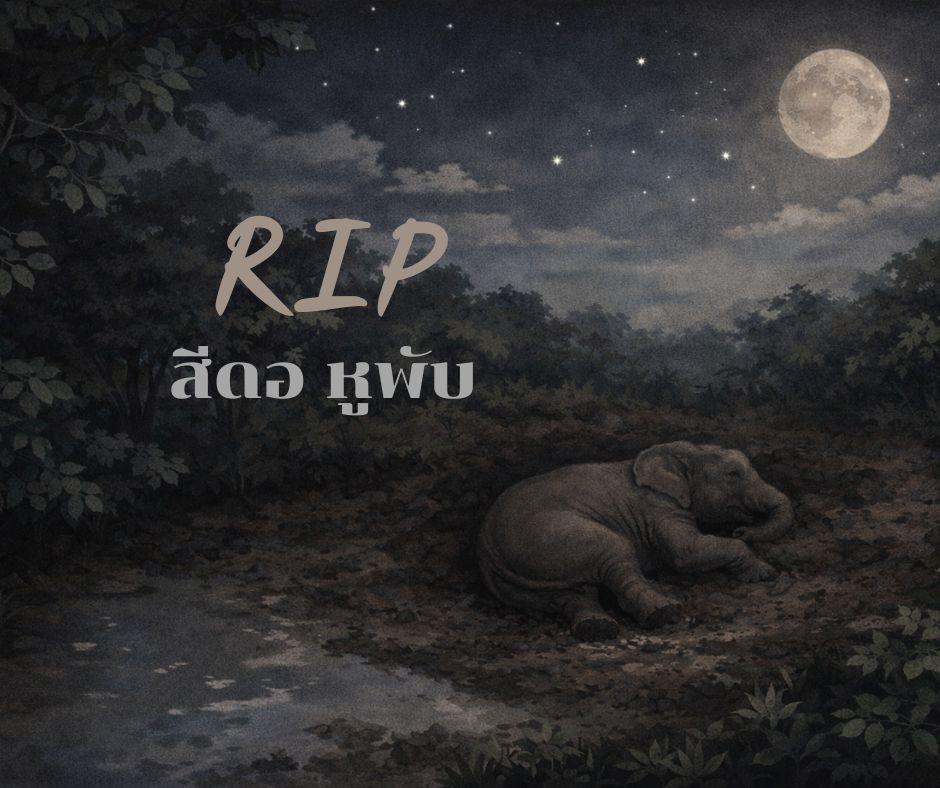
I do not expect Hu Phap’s story to change the world.
I only hope he is not forgotten.
He lived.
He breathed.
He was part of this landscape alongside us.
If anything remains from his story, I hope it gently encourages someone — somewhere — to see wild elephants with a little more understanding and kindness.
Thank you, Hu Phap,
for the smiles, the memories, and the stories of nature you brought into our lives.
Update Note
As I was preparing this story, further updates about Hu Phap’s passing were released. Reports suggested that sedation was administered while he was still feeding, and that complications — including choking — may have contributed, alongside other possible factors.
I do not claim to know every detail, and I believe the full explanation should come from responsible authorities. Yet learning this was difficult. It reminds me that behind every operation and decision are consequences that affect real lives.
I share this not to assign blame, but to acknowledge that loss sometimes grows from human error — and that acknowledging it with honesty is part of learning, improving, and preventing future tragedies.


